
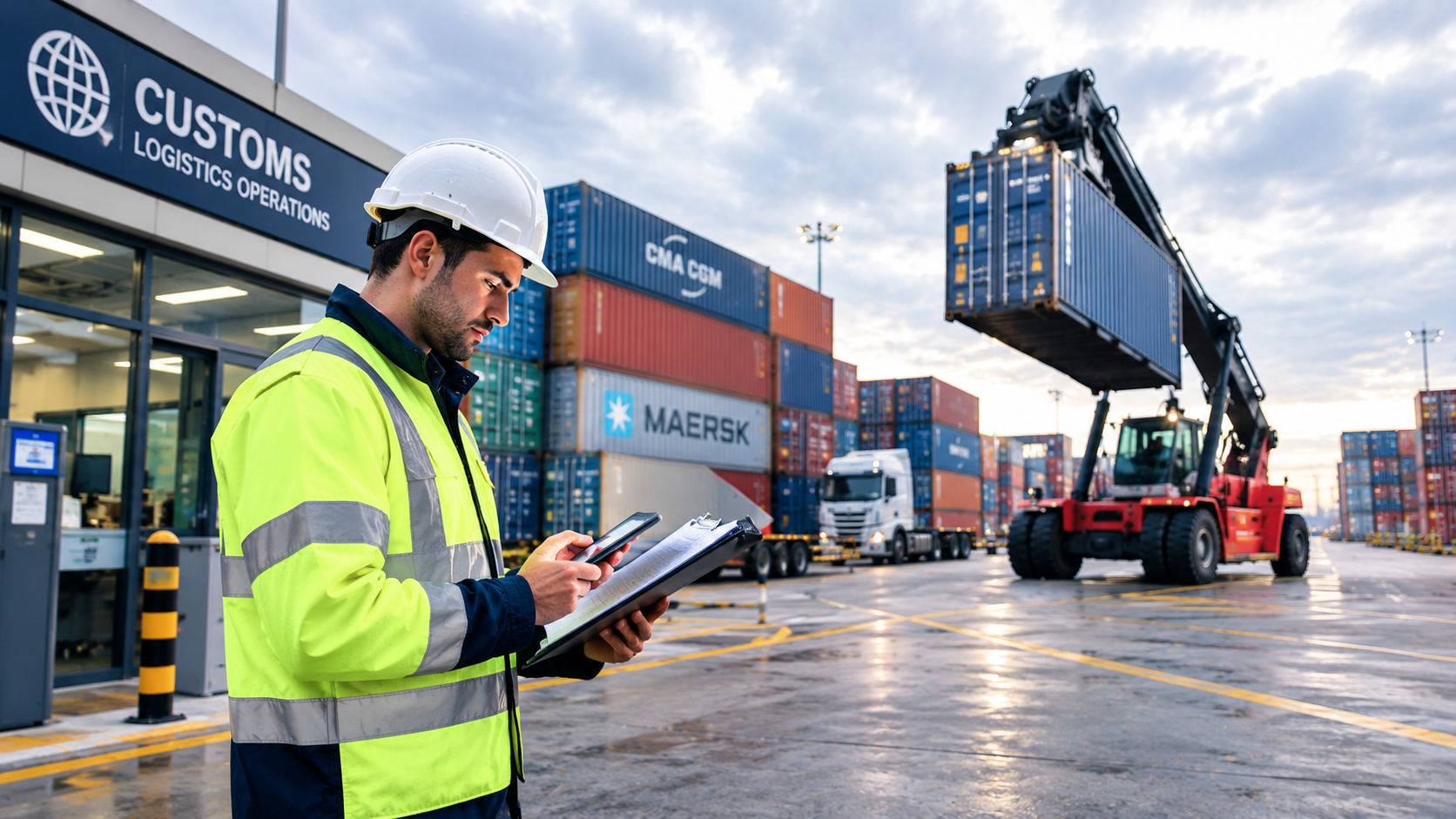
Navigating international customs can be the most complex phase of the supply chain. A single missing document or incorrect tariff code can lead to customs holds, unexpected demurrage charges, and disrupted delivery schedules.
1. Accurate HS Code Classification
Every product shipped across borders must have the correct Harmonized System (HS) tariff code.
-
Tariff Verification: Using the incorrect code leads to wrong duty assessments, audits, and customs fines.
-
Regular Updates: Verify that seasonal tariff changes and regional trade agreements (FTAs) are accounted for before dispatch.
2. Complete Commercial Documentation
Customs authorities require full transparency regarding shipment value, origin, and intended use:
-
Commercial Invoice: Clearly list unit values, country of origin, full buyer/seller details, and currency.
-
Packing List: Match every box, skid, and carton weight precisely against the physical cargo.
-
Certificate of Origin (COO): Ensure required bilateral trade origin certificates are attached to claim duty exemptions.
3. Clear Identification of Incoterms
Define shipping responsibilities clearly using standardized Incoterms (such as FOB, CIF, or DDP):
-
Determine who pays import duties and local terminal handling charges (THC).
-
Prevent cargo abandonment at destination ports due to disputes over unpaid clearance fees.
4. Leverage Pre-Arrival Processing
Work with licensed customs brokers who offer digital clearance and pre-filing:
-
Submit electronic manifests and documentation while cargo is still in transit.
-
Expedite release times at high-traffic marine terminals and air cargo hubs.